
ARTICLE
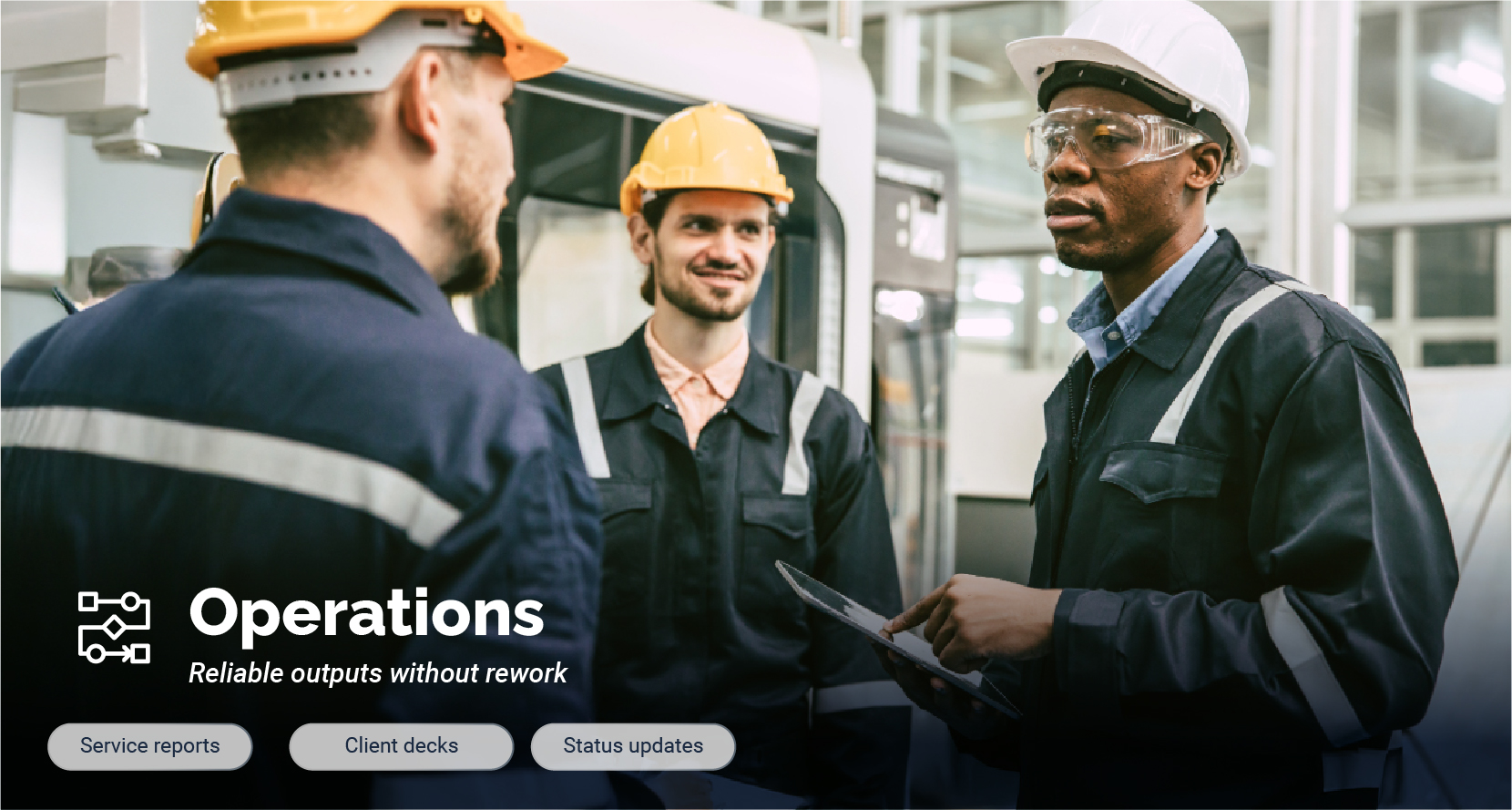
We literally watch people work
Still relying on process docs and walkthroughs? This article explains why the documented version of a job rarely matches the real one, and what changes when you watch the work instead.
We Started Watching People Work
Why automation projects fail is rarely a technology question. For a long time, we built automation the way most teams do. We read the docs, reviewed process maps, sat through walkthroughs where someone explained how things were "usually" done. We asked good questions and took notes. Sometimes that worked. Sometimes it didn't.
The pattern showed up quickly. When adoption was slow or ROI took longer than expected, it usually wasn't because the solution was wrong. Automation projects fail for a quieter reason: we didn't really understand the work. Not the version on paper. The version that happens every day.
So, we changed something simple. We started watching people work.
Not demos. Not a cleaned-up flow. The real thing. Slack interruptions. Half-finished spreadsheets. Tabs everywhere. Notes written down because someone will forget later.
Why automation feels risky
A lot of people hesitate when automation comes up. You hear the same things over and over.
"This is too complex."
"No one outside this team is going to get it."
"It'll take longer to explain than to just do."
That hesitation makes sense. Most experienced people didn't learn their jobs from documentation. They learned it over time, by dealing with unusual situations and things breaking. Their process feels fragile because it probably is.
What shows up when you observe
When you sit with someone and let them do their job, certain things surface fast. Steps that exist only because a system was never updated. Manual checks that were meant to be temporary and quietly became permanent. Data copied from one place to another because "that's just how it's always been done."
None of that shows up in requirements.
One example that stuck with us was an operations team onboarding vendors across multiple regions. On paper, it looked straightforward. Submit information. Review. Approve. Set up.
In reality, they jumped between five systems, re-entered the same data multiple times, and relied on Slack threads when something unexpected came up. The work wasn't hard. It was fragmented. And that fragmentation wore people down.
When we came back and walked them through what we saw, step by step, there was recognition.
Understanding comes before automation
Once people see their process reflected back to them, the tone shifts. They stop worrying that something is going to break. They stop defending the mess. They start asking different questions. What can we remove? What can we simplify? What actually needs to stay manual?
Sometimes automation is the answer. Sometimes it isn't. Sometimes the biggest win is cutting three steps no one needs anymore. Watching the work lets those decisions happen without guessing.
It also changes how we show up. We're not just building what's requested. We're calling out blind spots, avoiding roadblocks earlier, and making better recommendations because we've seen the whole thing in motion.
Why automation projects fail, and what fixed it for us
We didn't start this way. We had early projects that were technically solid but didn't quite fit how teams actually worked. Nothing was broken. It just felt off.
Looking back, this is why automation projects fail more often than anyone admits. The build is fine. The fit is wrong.
Watching people work fixed that. Adoption improved. Time to value shortened. Conversations got easier.
When someone sees that you understand their work as it really exists, not how it's supposed to exist, everything else becomes simpler.
Where accuracy matters most
that's where we work
We work anywhere documents carry risk, financial impact, or compliance requirements.




What you're probably
wondering
Quick answers to the most common questions
Why automation projects fail?
Most automation projects fail because the process being automated was never fully understood. Requirements documents and process maps capture how work is supposed to happen, not how it actually happens day to day. The gap between those two versions is where adoption problems and delayed ROI come from. Teams end up with a solution that is technically sound but does not fit the real workflow, so people quietly work around it.
What is process observation and why does it matter?
Process observation means watching people do their actual jobs rather than relying on documentation or walkthroughs. It surfaces things that never appear in requirements: steps that exist only because a system was never updated, manual checks meant to be temporary that became permanent, and data re-entered across systems out of habit. Observation matters because those hidden details determine whether an automation solution will be adopted or abandoned.
Should every process be automated?
No. Sometimes the biggest improvement is removing steps rather than automating them. Once a team sees their process reflected back accurately, the useful questions change from "what can we automate" to "what can we remove, what can we simplify, and what genuinely needs to stay manual." Automation is one option among several, and observing the work first is what makes that decision possible without guessing.